
Quick Summary
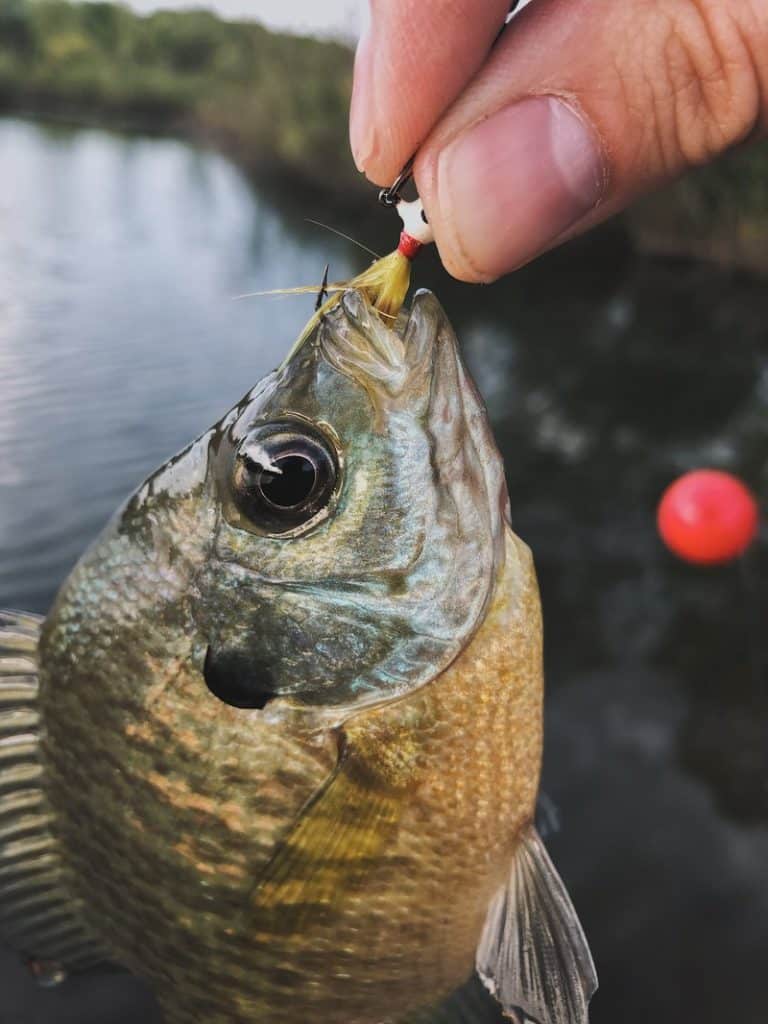
Bluegill in Florida stick close to cover like grass beds, docks, and shallow coves, and light tackle with live bait covers most situations well. Dawn, dusk, and the spring spawn bring the strongest action, while a slow presentation and a bit of patience lead to steadier bites. Forgiving behavior makes this species a dependable choice for new anglers and families fishing Lake Okeechobee together.
Florida waters hold some of the most consistent panfish action in the country, and Lake Okeechobee ranks high on that list. These fish don’t get the same attention as bass, but they offer steady bites, simple tackle needs, and a great way to introduce someone new to fishing. At Roland Martin Marina & Resort, anglers ask about bluegill in Florida just as often as they ask about bass, especially families looking for an easy morning on the water.
This guide covers habitat, tackle, technique, and a few seasonal notes worth knowing before a trip to Lake Okeechobee fishing.
Where to Find Bluegill Fish in Florida
Bluegill favor calm, shallow water with cover nearby. Look for these fish around:
- Submerged vegetation: Hydrilla, lily pads, and grass beds hold bluegill through the warmer months
- Dock pilings and structure: Shaded areas near docks attract bluegill during the heat of the day
- Shallow coves: Protected pockets with slow current give bluegill a comfortable spot to feed
- Spawning beds: Sandy or hard-bottom shallows host bluegill beds in spring, often visible as round depressions in the water
Bluegill tend to school together, so finding one usually means several more sit nearby. A slow drift near cover with light tackle covers water efficiently and keeps bait in the strike zone longer.
Tackle and Bait That Work Well
Bluegill don’t require heavy gear, and a lighter setup makes the fight more enjoyable anyway. A few basics:
- Light spinning rod paired with 4 to 8 pound test line
- Small hooks, size 6 or 8, since bluegill have small mouths
- Live bait like crickets, worms, or small pieces of nightcrawler
- Small jigs or soft plastics under a bobber for a simple, effective presentation
Checking a license before heading out is a good first step for anyone new to Florida waters.
Best Times to Target Bluegill
Bluegill activity picks up around dawn and again in the evening, when water temperatures sit more comfortably for feeding. Spring brings the spawn, and bluegill beds become easy to spot in shallow water during this stretch, often leading to some of the year’s most active fishing.
Summer pushes bluegill toward deeper cover during midday heat, though early mornings still produce well. Cooler months slow things down a bit, but bluegill stay catchable near structure and don’t disappear the way some other species do in colder water.
Checking bass fishing reports before a trip gives a read on water temperature and clarity, both of which influence bluegill behavior just as much as they do bass.
Technique Tips for Better Bluegill Days
A slow presentation tends to outperform a fast one when targeting bluegill. Letting bait sink naturally near cover, then giving it a slight twitch, often triggers a bite from nearby fish. A bobber set at the right depth keeps bait in the strike zone without constant adjustment.
Patience pays off here. Bluegill sometimes nibble before committing, so waiting for a solid pull on the line before setting the hook reduces missed fish. Moving to a new spot every fifteen minutes or so, if bites slow down, keeps the day productive without wasting time in unproductive water.
Cleaning and Cooking Bluegill
Bluegill offer mild, flaky meat that holds up well to simple preparation. Filleting takes practice at first, but the small bones become easy to work around once the technique clicks. A sharp, flexible knife makes the biggest difference in getting clean fillets without wasting meat.
Pan frying stays popular among anglers who keep a few bluegill for dinner, often with a light cornmeal coating and a quick fry in hot oil. Grilling whole works too, especially for larger bluegill. Keeping fish on ice soon after the catch preserves texture and flavor until it’s time to clean them.
Bluegill Regulations and Bag Limits
Florida sets bag limits and regulations for bluegill that can vary by water body and season, so checking current rules before keeping fish is important. These limits help keep populations healthy in heavily fished lakes like Okeechobee, where bluegill face steady pressure year-round.
Reviewing size and possession limits ahead of a trip avoids any surprises on the water. Local bait and tackle shops often keep current regulation info on hand. The Florida Fish and Wildlife Conservation Commission’s online resources cover updates as they happen throughout the season.
Why Bluegill Fishing Fits Every Skill Level
New anglers benefit from the forgiving nature of bluegill fishing. Mistakes in bait presentation or hook timing don’t end the day as they might with more selective species. This makes bluegill a solid choice for kids learning to fish or anyone looking for a relaxed day without the technical demands of chasing bass.
Our bass fishing guides often mention bluegill as a great warm-up before targeting bass later in the day, since the two species frequently share the same water.
A Panfish Trip Worth Planning
Bluegill fishing rewards patience and a light touch, and Florida’s warm water keeps these fish active across most of the year. A simple setup, some live bait, and a bit of attention to cover puts plenty of fish within reach for anglers of any experience level.
Looking to plan a trip or ask about conditions before heading out? Contact us at Roland Martin Marina & Resort and let’s get a visit on the calendar.
FAQs
What bait works best for bluegill in Florida?
Crickets, worms, and small pieces of nightcrawler all produce well. Small jigs or soft plastics under a bobber also work as a simple alternative.
Where do bluegill hide on Lake Okeechobee?
Bluegill gather near submerged vegetation, dock pilings, and shallow coves with cover. Spawning beds in sandy shallows also hold fish during spring.
What size hook should be used for bluegill?
A size 6 or 8 hook fits a bluegill’s small mouth well. Pairing it with a light line, around 4- to 8-pound test, keeps the presentation natural.
When is the best time to catch bluegill in Florida?
Dawn and evening produce steady bites throughout the year. Spring brings the spawn, which often leads to some of the most active fishing of the season.
Do bluegill require a fishing license in Florida?
A Florida fishing license is required for most anglers targeting bluegill. Checking current license requirements before a trip helps avoid any issues on the water.