
Quick Summary
Peacock bass fishing stands apart from typical Florida bass trips through aggressive strikes, year-round activity, and clear canal water suited to sight fishing. South Florida’s urban canal systems, particularly in Miami-Dade and Broward counties, hold the bulk of the state’s population thanks to consistently warm water. Smaller, brightly colored lures and light tackle work best, with early morning and late afternoon bringing the strongest action. Pairing a peacock bass outing with time on Lake Okeechobee gives anglers a way to experience two distinct fishing styles in one trip.
Florida is known for largemouth bass, but a different species has built its own following among anglers looking for something new. Peacock bass fishing trips draw visitors to the canals and waterways of South Florida, where warm water keeps this transplanted species active nearly all year. Anyone who has never tried it tends to walk away surprised by how hard these fish fight for their size.
Roland Martin Marina & Resort keeps close ties to South Florida’s fishing scene. Our bass fishing reports often include updates from peacock bass guides working the canals near Miami and Fort Lauderdale.
What Makes Peacock Bass Fishing Trips Different
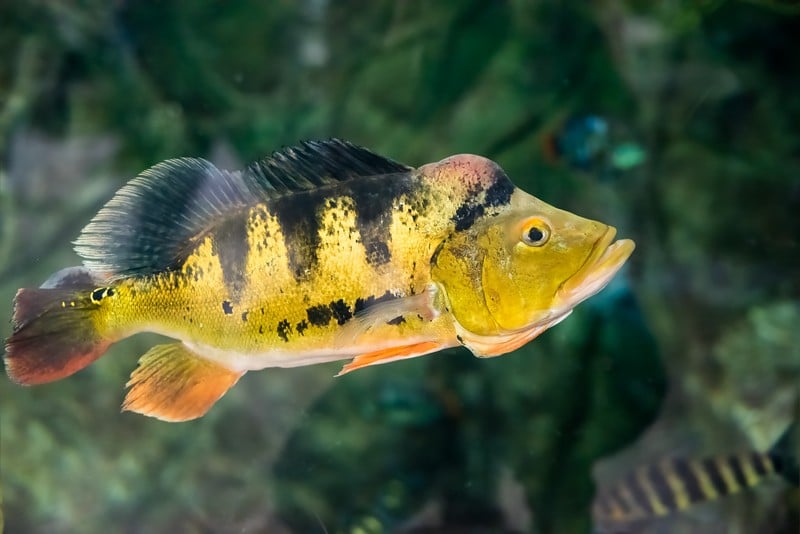
Peacock bass were introduced to South Florida canals decades ago. They’ve since carved out a niche among anglers looking for a fight. Unlike largemouth bass, which can turn sluggish once water temperatures drop, peacock bass stay active through the winter months, since South Florida rarely sees a real cold snap.
A few things set these trips apart from typical bass fishing outings:
- Year-round action: Warm water keeps fish biting even during months when other species slow down
- Aggressive strikes: Peacock bass hit hard and fight above their weight class, making every catch feel earned
- Urban canal settings: Much of the fishing happens in canals running through residential and commercial areas, an unusual backdrop compared to open lakes
- Sight fishing opportunities: Clear water in many canals allows anglers to spot fish before casting
These differences give peacock bass trips their own identity, separate from the bass fishing most anglers already know from lakes like Okeechobee.
Where To Find Peacock Bass In Florida
South Florida’s canal systems hold the bulk of the state’s peacock bass population. Miami-Dade and Broward counties in particular have become known destinations, thanks to decades of canal development that created ideal habitat for the species. Warm water temperatures year-round keep fish active in these urban waterways in ways that wouldn’t work farther north.
Guides familiar with these canals know which stretches hold fish during different seasons, since peacock bass move around based on water temperature and structure. Visitors planning a trip should check current conditions before heading out, since canal levels and clarity shift throughout the year.
Keeping an eye on bass fishing reports helps anglers track conditions across both Okeechobee and the peacock bass canals farther south.
Gear And Technique For Peacock Bass
Peacock bass respond well to different tactics than largemouth bass, and adjusting gear accordingly makes a real difference. Smaller, brightly colored lures often outperform larger baits, since peacock bass key in on quick, flashy movement. Light to medium spinning tackle handles most situations well, giving anglers enough sensitivity to feel strikes without sacrificing the strength needed to land a strong fish.
A few practical tips worth keeping in mind: Live bait works, but many anglers prefer artificial lures for the visual thrill of watching a peacock bass chase down a topwater bait. Polarized sunglasses help you spot fish in clear canal water, especially during sight-fishing situations. Early morning and late afternoon often bring the most consistent action, particularly during the warmer months when midday heat can slow things down.
Combining A Peacock Bass Trip With A Larger Florida Fishing Visit
Anglers visiting Florida for bass fishing sometimes build peacock bass into a longer trip that includes time on Lake Okeechobee. Pairing the two gives visitors a chance to experience two very different styles of fishing in a single visit, from open-water largemouth bass fishing to tight canal work chasing peacock bass.
Lake Okeechobee fishing has its own rhythm and set of techniques, and combining it with a peacock bass outing rounds out a trip nicely for anglers who want variety. Local guides familiar with both fisheries can help structure a visit that makes the most of limited time, whether that means splitting days between locations or focusing a full trip on one species.
Working with experienced bass fishing guides helps visitors get the most from either fishery, since local knowledge saves time that might otherwise go toward trial and error on unfamiliar water.
Plan Your Next Florida Fishing Adventure
Peacock bass fishing trips give Florida anglers a reason to branch out beyond the usual largemouth bass routine. Between the aggressive strikes, warm water conditions, and unique canal settings, there’s a lot to like about adding this species to a fishing itinerary. Roland Martin Marina & Resort stays connected to Florida’s wider fishing scene, and our team can point you to the right resources for planning a trip. Connect with us to start planning your next fishing trip.
FAQs
What makes peacock bass fishing different from largemouth bass fishing?
Peacock bass stay active through the winter, unlike largemouth bass, which slow down in cooler water. They also hit harder and fight above their weight class, giving anglers a different kind of challenge.
Where in Florida can you find peacock bass?
Miami-Dade and Broward counties hold the largest populations, mostly in canal systems built through residential and commercial areas. Warm water year-round keeps fish active in these urban waterways.
What gear works best for peacock bass?
Light to medium spinning tackle paired with smaller, brightly colored lures tends to perform well. Peacock bass respond to quick, flashy movement more than larger, slower-moving baits.